
Stop GLP-1 medications before trying to conceive; GLP-1s can improve fertility for men and women; they are not safe during pregnancy; and more
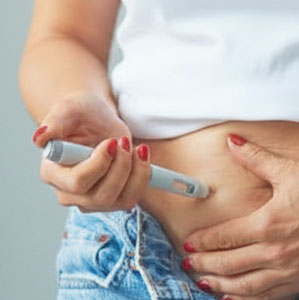
If you spend any time on social media, you’ve probably heard of GLP-1 medications like semaglutide (Ozempic, Wegovy) and tirzepatide (Mounjaro, Zepbound). Originally developed to treat type 2 diabetes, these medications have become widely used for weight loss – and many people of reproductive age are now taking them.
At Conceive NJ in Wall, New Jersey, the team and I (Dr. Isaac Glatstein) are seeing more and more patients who are using or considering these medications and want to understand how they fit into their family-building plans.
How weight and metabolism affect fertility
Obesity and metabolic health play a major role in reproductive function for all genders.
In women, higher BMI (body mass index) is linked with:
- Irregular or absent periods and anovulation.
- PMOS (polyendocrime metabolic ovarian syndrome), previously known as PCOS, where excess weight is very common.
- Higher rates of infertility, miscarriage, gestational diabetes, preeclampsia and other pregnancy complications.
In men, obesity and insulin resistance are associated with low testosterone, poorer sperm parameters and lower chances of conception.
Because of these relationships, treatments that improve weight and metabolic health can sometimes improve a person’s underlying fertility – even before IVF (in vitro fertilization) or other fertility procedures enter the picture.
Conceive Your Family
What are GLP-1 medications such as Wegovy & Zepbound?
GLP-1 receptor agonists, and related dual GIP/GLP-1 agonists, are injectable or oral medications that mimic hormones involved in blood sugar control and appetite. Common examples in popular use are semaglutide and tirzepatide.
Semaglutide
Brand name semaglutides include Ozempic, Wegovy and Rybelsus. Semaglutide mimics one natural hormone related to appetite suppression and stabilizing blood sugar.
Tirzepatide
Brand name tirzepatides include Mounjaro and Zepbound. Tirzepatide utilizes a dual synthetic hormone approach that generally shows better weight loss and blood sugar management.
Liraglutide, exenatide and dulaglutide are earlier GLP-1 medications. They’ve been replaced in use because semaglutide and tirzepatide are more effective and administered in more convenient doses.
These medications:
- Improve insulin sensitivity and lower A1C.
- Reduce appetite and calorie intake.
- Can lead to significant weight loss, sometimes 15%–20% of body weight with certain agents.
Because of their effectiveness, use of GLP-1 medications has grown rapidly among people of reproductive age.
Can GLP-1 medications improve fertility?
Yes, they can help improve fertility in some women and men. When appropriate, Conceive NJ helps patients utilize semaglutides and tirzepatides in treatment plans.
A primary benefit comes from these drugs’ role in promoting weight loss in women who have a higher BMI. This and other factors can improve fertility and treatment outcomes in those with PMOS, previously known as PCOS, and in women before undergoing IVF.
In men with low testosterone levels, GLP-1s provide a more effective option than regular testosterone therapy. As with women, these drugs can result in weight loss that improves male fertility.
More details follow.
Women with PMOS (formerly PCOS) and excess weight can experience improved fertility
The most encouraging data are in women with PMOS (formerly PCOS) and higher BMI. Studies in the National Library of Medicine suggest that GLP-1 medications can improve menstrual regularity and ovulation, reduce insulin resistance and androgen levels, and support spontaneous pregnancy after a period of treatment.
These medications do not stimulate the ovaries the way fertility drugs do. Instead, by improving weight, insulin resistance and inflammation, they may create a more favorable environment for the eggs and the uterine lining.
At Conceive NJ, GLP-1 therapy may be considered as part of a comprehensive PMOS care plan when appropriate, alongside nutrition support, exercise and targeted fertility treatment.
GLP-1s can help women before undergoing IVF
Early research suggests that short-term GLP-1 use before IVF, often combined with metformin, may help some patients lose enough weight to meet clinic or anesthesia BMI limits and improve overall metabolic health before treatment.
Some early studies have shown higher pregnancy rates per embryo transfer in patients who used a GLP-1 medication before IVF compared with metformin alone, although the data remain preliminary and larger studies are still needed.
At Conceive NJ, the focus is on whether GLP-1-related weight loss will realistically help a patient qualify safely for treatment and carry a pregnancy as safely as possible, then building an IVF timeline around that plan.
GLP-1 medications and male fertility
In men with obesity-related low testosterone, GLP-1 medications may offer a fertility-friendly alternative to testosterone therapy.
Research suggests they can increase testosterone levels, preserve or improve luteinizing hormone (LH) and follicle stimulating hormone (FSH), and improve some sperm parameters without suppressing sperm production the way testosterone injections often do.
For couples with male-factor infertility related to obesity and metabolic health, this may be one useful piece of a broader fertility plan.
The “Ozempic baby” phenomenon
As ovulation returns and cycles become more regular, some women on GLP-1 medications have experienced unexpected pregnancies – sometimes called “Ozempic babies.”
This can happen because weight loss and improved insulin sensitivity may restore ovulation in previously anovulatory patients, especially those with PMOS. Many patients are not warned that fertility may improve, and they may not be using reliable contraception.
At Conceive NJ, discussing contraception and pregnancy planning with reproductive-age patients on GLP-1 therapy is an important part of care, so fertility changes do not come as a surprise.
Are GLP-1 medications safe in pregnancy?
Right now, GLP-1 medications are not approved for use during pregnancy.
Animal studies have raised concerns including smaller fetuses, delayed bone development, skeletal changes and pregnancy loss, especially when mothers lose a significant amount of weight during early fetal development. Human data are somewhat more reassuring for accidental early exposure, but there is still not enough evidence to recommend continuing these medications throughout pregnancy.
Major medical and endocrine societies recommend stopping GLP-1 medications before pregnancy and using other diabetes or weight-management strategies that are known to be safer in pregnancy when needed.
At Conceive NJ, these transitions are coordinated carefully with the patient’s other physicians before conception is attempted.
When should GLP-1 medications be stopped before trying to conceive?
Because GLP-1 medications remain in the body for different lengths of time, the recommended washout period (time it takes for a medication to be out of the body) depends on the specific drug.
In general:
- Semaglutide (Ozempic, Wegovy, Rybelsus) is usually stopped about 2 months before trying to conceive.
- Tirzepatide (Mounjaro, Zepbound) is usually stopped about 1 month before attempting pregnancy.
- Shorter-acting agents like liraglutide and exenatide may require a shorter washout, often around 4 weeks, depending on the clinical situation.
Stopping a GLP-1 medication can lead to weight regain and changes in blood sugar. For that reason, preconception planning should include nutrition and lifestyle support, close blood sugar monitoring when needed, and a realistic plan to maintain as much of the health benefit as possible after stopping the medication.
Dr. Isaac Glatstein works with patients to choose a timeline that balances medication safety with fertility goals, rather than stopping treatment suddenly at the last minute.
Semaglutide and tirzepatide medications and IVF timing
For patients using GLP-1 medications as part of a pre-IVF weight-loss strategy, timing matters.
Key practical points include:
- GLP-1 medications are often held for about 1-2 weeks before procedures involving anesthesia, such as egg retrieval, because they slow stomach emptying and may increase aspiration risk.
- They should be stopped before embryo transfer and conception, following the same washout guidance used for spontaneous pregnancy.
- Weight loss on GLP-1s can help some patients meet BMI thresholds for IVF and reduce anesthesia risk, although larger studies are still needed to prove a direct improvement in egg quality or live birth rates.
Conceive NJ individualizes each timeline to match the patient’s treatment goals and overall health.
Do these types of weight loss medications interact with birth control?
Most GLP-1 medications do not significantly affect the blood levels of standard oral contraceptive pills.
However, tirzepatide is a notable exception because it can reduce the absorption of oral hormonal contraceptives by slowing stomach emptying more strongly. For that reason, backup contraception, such as condoms, is often recommended for a period after starting tirzepatide and after each dose increase.
For many patients who are not ready for pregnancy, long-acting reversible contraceptives such as IUDs or implants may be a more reliable option.
Breastfeeding and GLP-1 medications
Research on GLP-1 medication safety during breastfeeding is very limited.
Because of the lack of data, most experts advise against routine GLP-1 use while breastfeeding. Decisions should be individualized by weighing the mother’s metabolic needs and available alternatives against the uncertainty about infant exposure.
At Conceive NJ, those discussions are handled through shared decision-making with the patient and the broader care team.
Key GLP-1 takeaways for fertility patients
- GLP-1 medications can improve weight, insulin resistance and hormone balance, especially in PMOS (formerly PCOS), and may support natural fertility and safer fertility treatment.
- These medications are not recommended during pregnancy, and most should be stopped 1-2 months before trying to conceive, depending on the specific drug.
- Fertility may improve unexpectedly while taking GLP-1s, so reliable contraception is important if pregnancy is not yet the goal.
- For men, GLP-1 medications may improve testosterone and some sperm parameters in the setting of obesity without the sperm-suppressing effects of testosterone therapy.
- Careful planning can help reduce the risk of weight regain, unstable blood sugar and complications after stopping GLP-1s, especially before IVF.
How Conceive NJ can help
If you are taking a GLP-1 medication and are thinking about pregnancy – now or in the future – the team at Conceive NJ in Wall, New Jersey, is here to help build a safe, personalized plan.
Support may include:
- Reviewing current medications and medical history.
- Coordinating with a primary care physician or endocrinologist.
- Planning the safest timing to start or stop GLP-1 therapy.
- Designing a nutrition and activity plan to support weight management before and after discontinuation.
- Aligning the timing of ovulation induction, IUI (intrauterine insemination) or IVF with the medication plan.
Every patient’s situation is unique. To discuss how GLP-1 medications fit into a fertility journey, patients can schedule a consultation with Dr. Isaac Glatstein, MD, MSc, at Conceive NJ.